
Why Propane Tanks Should Only Be Handled by Professionals
Propane serves as a vital energy resource for millions of residential and commercial users across the nation. It powers essential appliances, keeps facilities warm during harsh winter months, and fuels various industrial operations. According to data from the U.S. Department of Energy, propane accounts for approximately two percent of the total energy consumed across the United States. This substantial figure highlights how heavily modern infrastructure relies on this fuel resource for daily operations. However, the widespread utilization of this gas means that safety protocols must always remain a top priority for consumer protection. Because the fuel is stored under high pressure in dedicated vessels, improper management can lead to severe operational disruptions or hazardous accidents. Understanding the specific mechanical and chemical properties of these containment units is essential for minimizing occupational hazards. For this reason, knowing exactly why only qualified individuals should manage these containers remains critical for overall safety and hazard prevention.
Understand the Risks of Propane Tanks
Managing propane tanks comes with inherent volatility that demands respect and precise technical knowledge. The chemical composition of liquefied petroleum gas allows it to remain compressed as a liquid, but any breach can cause it to expand rapidly into a highly flammable vapor. An explosion can occur if a container is exposed to extreme heat, static discharge, or physical impact. Qualified personnel are trained to maintain these systems with precision, significantly reducing the chances of such disastrous events. They understand how pressure relief valves operate and how environmental factors influence internal tank pressures. When untrained individuals attempt to move or adjust heavy cylinders, they risk damaging critical valves or causing structural integrity compromises. This improper handling transforms useful energy sources into significant hazards, highlighting why trained technicians must supervise all related equipment to maintain a secure environment.
Prevent Environmental Harm With Proper Care
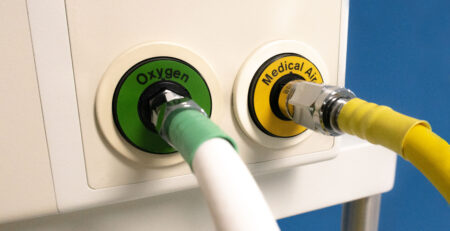
Accidental releases from compressed fuel systems can harm the surrounding environment and contribute to air pollution. Although propane is a clean-burning fuel compared to other hydrocarbons, an uncontrolled liquid leak can freeze surrounding soil and damage localized ecosystems. Technicians follow strict protocols that prevent unnecessary emissions during refilling and maintenance tasks. They utilize specialized transfer equipment that minimizes vapor escape, ensuring that the surrounding atmosphere remains clean and free of dangerous gas accumulations. Minimizing environmental impacts requires a deep understanding of containment mechanics and local environmental regulations. Our organization remains committed to eco-friendly fuel distribution methodologies that protect natural resources while delivering essential energy supplies. Alongside standard fuel management, professional handling applies to our diverse offerings, which include propane, heating oil, industrial gases, medical gases, grills, and fireplaces.
Avoid Storage Hazards With Expert Help
Proper storage conditions are foundational to maintaining a secure facility, whether in a residential backyard or an industrial yard. Storing propane tanks indoors or in poorly ventilated areas risks dangerous accumulations of heavy gas that can easily ignite from a tiny spark. Because propane vapor is heavier than air, it tends to pool along the floor or in low-lying areas, making leaks exceptionally difficult to disperse without mechanical ventilation. Professional field technicians possess the necessary training to evaluate storage sites against strict clearance distance criteria. They ensure that all cylinders rest on stable, fireproof surfaces and remain shielded from direct sunlight or corrosive elements. Over time, exposure to moisture can cause outer shells to rust, weakening the metal walls and increasing the likelihood of structural failure. Seeking guidance ensures that your fuel storage configurations align perfectly with national safety standards, preventing costly liabilities and securing long-term peace of mind.
Maintain System Integrity Through Routine Checks
Ensuring operational longevity requires a structured approach to regular system evaluations and preventive care. Inspecting propane tanks on a regular basis allows qualified personnel to identify hidden issues before they escalate into costly operational emergencies. These comprehensive examinations cover every critical component, including structural walls, structural supports, and connection points. Technicians meticulously look for signs of pitting, dents, or gouges that might compromise the safety of the pressurized container. They also verify that the manufacture and requalification dates stamped onto the collar remain valid under current federal laws. Cylinders must undergo periodic requalification to prove they can still safely withstand high internal pressures over extended operational cycles. By leaving these detailed inspections to experienced personnel, facility managers can guarantee that their energy infrastructure remains fully operational and compliant with modern safety benchmarks throughout the entire year.
Identify Dangerous Leaks With Advanced Tools
Detecting a fuel leak requires far more than just relying on a person’s sense of smell. Although distributors introduce an additive called ethyl mercaptan to give the gas a distinctive scent, olfactory fatigue or environmental masking can prevent individuals from noticing a leak. Testing propane tanks for pressure drops and vapor presence requires advanced electronic detectors and specialized chemical solutions that untrained individuals simply do not possess. Professional technicians utilize highly calibrated combustible gas indicators to isolate minor leaks in complex piping networks. They can identify microscopic fractures in fittings or hoses that would otherwise go unnoticed until a dangerous situation develops. Prompt identification allows for immediate isolation of the affected area, preventing the migration of flammable vapors toward potential ignition sources like electrical switches or open flames. Relying on advanced diagnostic equipment represents the most reliable method for maintaining total control over your fuel delivery system.
Execute Safe Repairs With Technical Skills
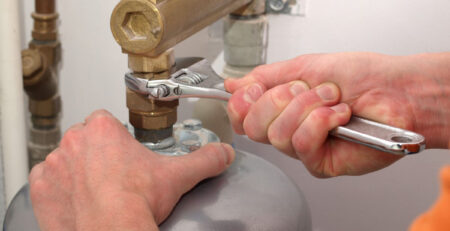
When a valve malfunctions or a pressure gauge fails, attempting a fast fix without proper training can lead to catastrophic consequences. Repairing or replacing components on pressurized fuel vessels requires a thorough understanding of thread types, sealant compatibility, and torque specifications. Certified technicians possess the specialized tools required to safely evacuate remaining liquid and vapor from a cylinder before commencing any physical work. They understand how to install replacement parts without damaging adjacent safety mechanisms, ensuring that the entire assembly functions exactly as the manufacturer intended. Furthermore, field professionals carry out comprehensive post-repair pressure testing to confirm that the integrity of the system is fully restored. Leaving these intricate tasks to skilled personnel eliminates the guesswork associated with fuel system maintenance, protecting both the workers and the property from sudden pressure releases or flash fires.
Comply With National Safety Regulations
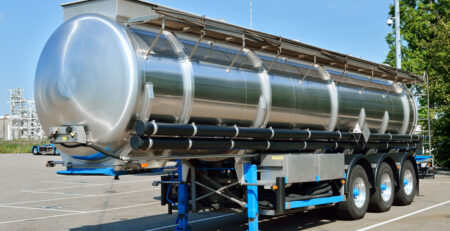
Operating commercial fuel systems involves navigating a complex web of legal mandates enforced by organizations like OSHA and the EPA. Transporting propane tanks requires adherence to strict Department of Transportation regulations, which govern vehicle placarding, cylinder securing, and cargo weight limits. Failing to meet these legal criteria can result in substantial monetary fines, operational shutdowns, and severe legal liabilities for businesses. Qualified energy providers invest significant resources into ongoing training programs to ensure that every team member stays informed about changing safety codes. They maintain accurate documentation of delivery records, safety inspections, and system modifications, providing a clear paper trail that demonstrates full regulatory compliance. Partnering with an established energy supplier guarantees that your fuel procurement and utilization practices satisfy all local, state, and federal legal obligations seamlessly.
Proper management of propane tanks requires extensive technical knowledge, advanced equipment, and strict compliance with national safety regulations. At Reliance Energy, we offer reliable service for all your fuel needs, ensuring your systems operate smoothly and securely. Our team ensures every protocol is strictly followed to protect your property, your family, and the surrounding environment. We invite you to contact us today to schedule an inspection or a safe delivery for your home or business.