
Why a Welding Gas Service is Critical to Modern Industries
In modern industrial environments, precision, consistency, and safety are foundational to maintaining production standards across fabrication, manufacturing, and repair operations. Among the essential inputs that support these outcomes, industrial gases play a particularly important role in welding and metalworking processes. These gases enable controlled environments for joining metals, ensuring structural integrity and repeatability across applications that range from small-scale repair shops to large manufacturing facilities.
As industries continue to scale and diversify their output requirements, the need for dependable gas supply solutions has become increasingly important. A professional welding gas service supports these demands by ensuring that essential gases are consistently available, properly mixed, and safely delivered. Without this reliability, many operations would face interruptions that could compromise production timelines and product quality. The role of gas supply is therefore not just logistical but operational, directly influencing efficiency and output stability across multiple sectors.
The Role of Welding Gas in Industrial Fabrication
Supporting Precision and Structural Integrity
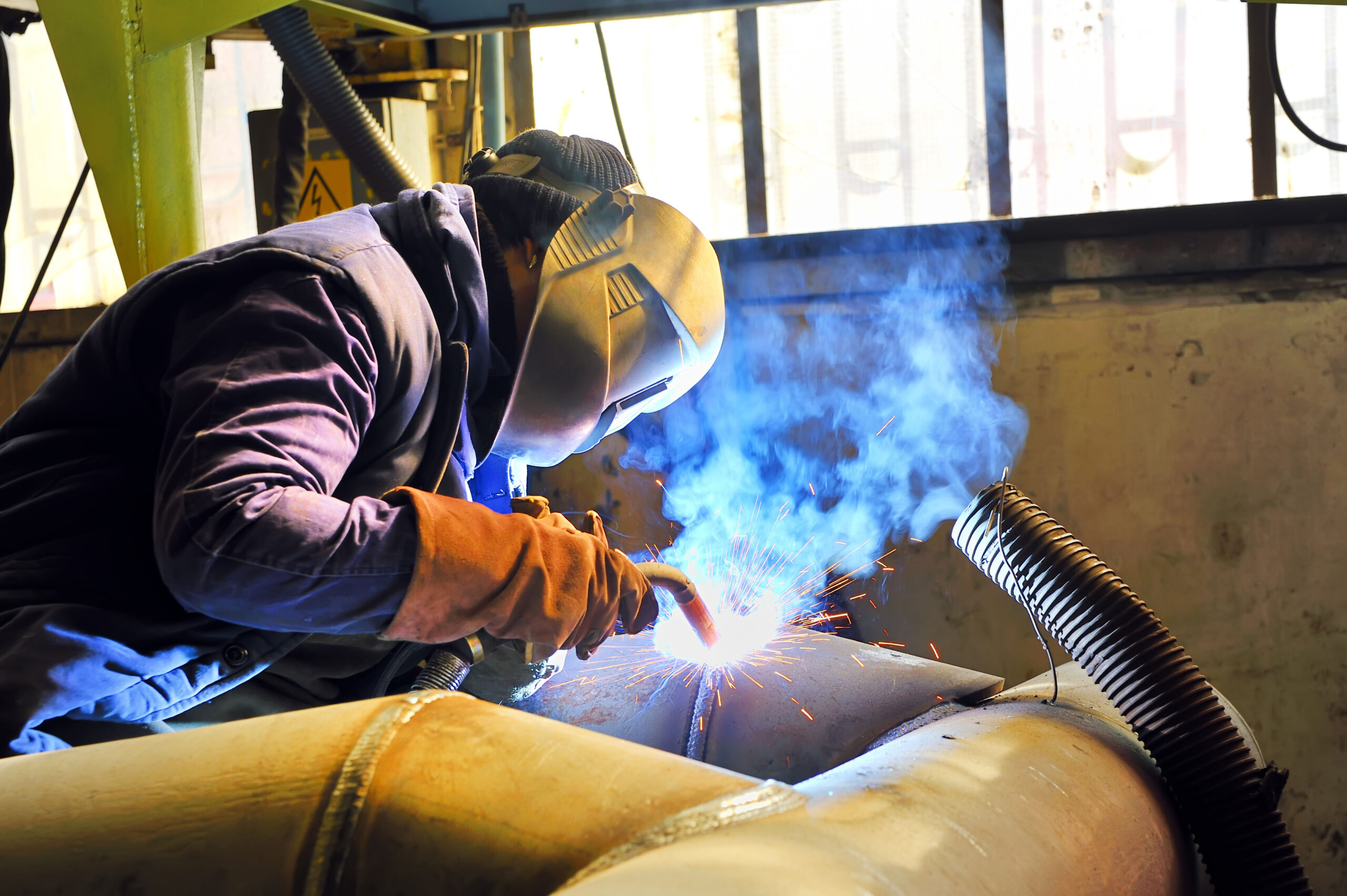
Industrial fabrication depends on tightly controlled processes where even minor inconsistencies can affect the strength and durability of finished products. A welding gas service provides the necessary gases that create stable welding environments, allowing technicians to achieve clean, controlled welds with minimal contamination. This is especially important in applications where structural integrity is critical, such as in automotive frames, industrial machinery, and heavy equipment repair.
The gases used in welding applications help regulate heat distribution and protect the weld area from atmospheric exposure. This ensures that the resulting joints maintain uniformity and strength, reducing the likelihood of defects or weak points. In this context, the consistency of gas supply becomes as important as the skill of the operator, since variations in gas composition or pressure can directly impact weld quality.
Enabling Consistent Production Workflows
Production environments rely heavily on repeatability. Whether a facility is producing thousands of identical components or performing routine maintenance on industrial equipment, consistency is essential. A reliable industrial gas service ensures that the gases used across shifts and production lines remain uniform, helping to maintain stable welding conditions over time.
This consistency reduces the need for rework and minimizes production delays caused by material inconsistencies. It also allows operators to standardize their processes, which is particularly valuable in environments where multiple technicians work across different schedules. By maintaining uniform gas delivery and composition, industrial operations can preserve predictable outcomes across all stages of production.
Meeting Demands Across Fabrication Environments
Industrial fabrication environments vary widely in scale and complexity. Some operations focus on light assembly work, while others handle heavy structural fabrication requiring continuous welding activity. A welding gas service must be flexible enough to meet these diverse needs without compromising supply reliability or quality standards.
This adaptability allows fabrication shops to scale their operations more effectively. As demand increases, gas supply systems must accommodate higher usage rates without interruption. Reliable distribution systems ensure that operations can continue without unexpected shortages, supporting both short-term projects and long-term production goals.
Why Reliable Gas Supply Matters to Industrial Operations
Reducing Downtime in Critical Processes
Downtime in industrial environments can have significant financial and operational consequences. When welding operations are interrupted due to gas shortages or delivery delays, entire production schedules can be affected. A dependable industrial gas service plays a key role in preventing these disruptions by ensuring that supply levels are maintained and replenished according to operational needs.
Efficient delivery scheduling and responsive service models help minimize the risk of unexpected shortages. This allows facilities to maintain continuous workflow, particularly in high-demand environments where production delays can cascade into larger operational setbacks. In this way, gas supply reliability becomes a core component of production planning.
Supporting High-Demand Manufacturing Sectors
Modern manufacturing sectors such as automotive production, aerospace engineering, and construction rely heavily on welding processes. According to Future Market Report, the United States accounts for the largest share of the global welding gas market at 20.3%, driven primarily by strong activity in automotive, aerospace, and construction industries. This reflects the scale at which welding gases are integrated into critical industrial operations across the country.
In these high-demand sectors, a welding gas service must be capable of supporting continuous usage patterns while maintaining strict quality standards. Any inconsistency in supply can disrupt production lines that operate on tightly coordinated schedules. As a result, gas providers must maintain both capacity and responsiveness to meet the demands of these industries.
Maintaining Quality Control and Compliance
Quality control is a central concern in industrial operations, particularly in sectors where safety and regulatory compliance are tightly monitored. Welding processes must meet specific standards to ensure that finished products are safe, durable, and fit for use. An industrial gas service contributes to this process by supplying gases that meet defined purity and composition requirements.
Consistent gas quality helps maintain stable welding conditions, which in turn supports compliance with industry standards. This reduces variability in production outcomes and helps ensure that finished products meet required specifications. For many organizations, maintaining compliance is not only a regulatory necessity but also a key factor in sustaining customer trust and operational credibility.
How Professional Gas Supply Partnerships Strengthen Industry Performance
Coordinated Delivery and Inventory Stability
Industrial operations depend on predictable supply chains. A structured welding gas service supports this need by coordinating deliveries based on usage patterns and operational schedules. This reduces the need for large on-site storage while ensuring that necessary gases are always available when needed.
Inventory stability also plays a key role in cost management. By aligning delivery schedules with actual consumption, facilities can avoid both shortages and excessive stockpiling. This balance helps streamline operations and reduces waste associated with inefficient inventory management. Over time, this contributes to more sustainable and cost-effective production practices.
Technical Support and Equipment Services
Beyond gas supply itself, many industrial operations require ongoing support for related equipment and systems. A comprehensive welding gas service often includes technical assistance, equipment maintenance, and system support to ensure that gas delivery systems function correctly and safely.
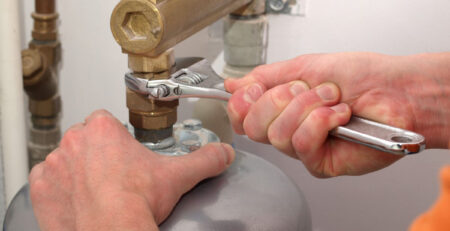
This support may include assistance with regulators, cylinders, and distribution systems used in welding operations. By maintaining equipment in proper working condition, facilities can reduce the risk of operational interruptions and extend the lifespan of critical infrastructure. This integrated approach strengthens overall operational reliability.
Long-Term Value for Growing Operations
As industrial operations expand, their requirements for gas supply and related services evolve. A scalable welding gas service supports this growth by adapting supply volumes, delivery frequency, and service offerings to match increasing demand. This flexibility is essential for organizations that are scaling production or expanding into new markets.
Long-term partnerships with gas suppliers also contribute to operational stability. Consistent service relationships allow facilities to develop predictable supply frameworks, which simplifies planning and reduces uncertainty. Over time, this supports sustained growth and operational efficiency across multiple production cycles.
Industrial operations depend on a wide range of inputs to maintain efficiency, safety, and product quality, and welding gases are among the most essential of these resources. From fabrication shops to large-scale manufacturing facilities, access to a reliable gas supply directly influences productivity and output consistency.
A well-structured welding gas service ensures that industries can maintain continuous operations without interruption while also supporting quality control and compliance requirements. As demand continues to grow across key industrial sectors, the importance of reliable gas supply partnerships will remain central to sustaining efficient and scalable production environments. For more information on the industrial benefits of a welding gas supplier, reach out to Reliance Propane & Fuel Oil!