
3 Reasons to Use a Propane-Powered Forklift Fleet
The logistics and material handling sectors are driven by efficiency, cost management, and environmental stewardship. In the realm of construction and warehousing, forklifts are indispensable tools, and choosing the right type of forklift can make a significant difference in operational performance. This article delves into the compelling reasons for businesses to consider adopting propane-powered forklift fleets, from cost efficiencies to environmental benefits, ensuring they meet the highest standards of performance and sustainability.
1. Cost Efficiency
1.1 Lower Fuel Costs
Fuel costs make up a substantial portion of operating expenses for any company deploying a forklift fleet. Fortunately, propane, known for its affordability, generally costs less than traditional fuels such as diesel and gasoline. As the price of oil fluctuates, propane tends to remain more stable, protecting companies from volatile fuel markets. Additionally, companies can secure bulk supply agreements to further enhance cost savings. Budgeting becomes more predictable, allowing businesses to allocate funds more efficiently across other operational needs.
1.2 Reduced Maintenance Expenses
Propane-powered forklifts require less maintenance compared to their diesel and gasoline counterparts, resulting in long-term cost savings. The design of propane engines is simpler, with fewer components that wear down over time, leading to reduced servicing needs. This simplicity translates into fewer breakdowns and longer intervals between maintenance tasks. With decreased downtime and lighter maintenance demands, companies can enjoy uninterrupted productivity. As operational efficiency increases, businesses can focus on growth strategies rather than repair schedules.
1.3 Longer Engine Lifespan
Engines operating on propane experience less wear and tear, thanks to its clean-burning properties. Propane combusts more completely, which not only enhances engine efficiency but also prolongs the lifespan of the equipment. The internal engine components remain cleaner over time, experiencing less friction and buildup of contaminants. This longevity ensures a greater return on investment for companies, reducing the frequency of costly equipment replacements. By investing in durable propane-powered solutions, fleet operators can maintain high operational standards over the long term.
1.4 Tax Incentives
Government incentives can further reduce the cost of propane for businesses, making it an even more attractive option. Many regions offer tax credits and incentives for the adoption of alternative fuels, including propane, as part of broader sustainability goals. These financial benefits can quickly accumulate, effectively lowering the overall cost of transitioning to a propane-powered fleet. By taking advantage of such schemes, companies not only improve their bottom line but also contribute to wider environmental goals. These features highlight the economic viability of propane-powered forklifts as critical assets in modern fleets.
1.5 Predictable Pricing
While traditional fuels are subject to unpredictable market shifts, propane’s market value tends to experience more stable fluctuations. This price consistency provides a strategic advantage for businesses aiming to plan long-term expenses accurately. Moreover, propane suppliers often provide flexible pricing agreements or contracts, helping companies lock in costs and avoid unexpected financial hits. By incorporating propane into their logistics strategies, businesses can harness the predictability of fuel prices to streamline fiscal operations. This aspect is especially beneficial in enhancing the financial stability of busy industrial environments.
2. Environmental Benefits
2.1 Lower Emissions
One of the standout environmental advantages of propane is its ability to burn more cleanly than conventional fuels. Propane produces significantly fewer greenhouse gas emissions, making it an eco-friendly choice for environmentally conscious businesses. This reduced emission profile means that forklifts powered by propane contribute less to air pollution and global warming. Companies committed to sustainability will find propane an excellent fuel choice, helping to meet sustainability goals. The transition to propane-powered fleets symbolizes a proactive step towards an environmentally conscious future while upholding operational efficiency.
2.2 Conformance with Regulations
Propane-powered forklifts allow businesses to easily meet or exceed increasingly stringent environmental regulations. As governments across the globe enforce stricter emission standards, using propane ensures compliance without sacrificing performance. Propane’s lower emission footprint aids companies in adhering to laws and avoiding costly fines or penalties. By aligning engine performance with regulatory expectations, businesses can maintain operational freedom and avoid disruption. Such compliance not only protects the environment but also sustains a business’s reputation as a responsible corporate entity.
2.3 Reduced Carbon Footprint
By switching to propane, businesses can significantly lower their carbon footprint, underscoring their commitment to sustainable practices. Propane’s clean combustion process contributes fewer carbon emissions, minimizing the environmental impact of industrial activities. This reduction in carbon output aligns with global efforts to tackle climate change, contributing to a healthier planet. Utilization of propane supports a balance between industrial growth and environmental responsibility. As a low carbon solution, propane allows industries to maintain productivity while upholding conservation objectives.
2.4 Improved Air Quality
Propane-powered forklifts significantly enhance indoor air quality, a crucial factor for operational environments. Reduced emissions of harmful pollutants such as nitrogen oxides and particulate matter lead to a healthier workspace for employees. For industries where forklifts are employed both indoors and outdoors, about 68%, according to Propane.com, propane stands out as a safe option. Enhanced air quality contributes not only to employee well-being but also to regulatory compliance, especially in food and health-related sectors. Moreover, cleaner air environments enhance productivity and employee morale.
2.5 Minimal Oil Spillage Risk
Unlike diesel or gasoline, propane is stored in sealed tanks, which eliminates the risk of environmental damage due to spills. In the event of a container breach, propane gas dissipates into the air rather than leaking into the ground or water systems. This reduces the likelihood of contamination, protecting ecosystems and lowering the environmental liability of businesses. Such safety measures enhance the sustainability profile of companies, underscoring a commitment to safeguarding natural resources. By reducing potential hazards, propane helps create safer and more efficient operational environments.
3. Fuel Availability and Convenience
3.1 Readily Available Fuel Supply
Propane is widely available across various regions, ensuring a consistent fuel supply for businesses wherever they operate. This accessibility allows for strategic logistical partnerships with local suppliers, streamlining fuel procurement processes. Businesses benefit from consistent supply chains, eliminating delays or disruptions. In turn, this reliability provides operational inclusivity for diverse climates and remote locations. With numerous refueling infrastructures already in place, companies can transition to propane efficiently and cost-effectively.
3.2 Fast Refueling Process
One of the practical benefits of propane-powered forklifts is their fast and straightforward refueling process. Unlike electric forklifts, which require hours of charging, a propane tank can be replaced within minutes. This rapid turnaround minimizes operational downtime, keeping the workforce productive and on-task. As businesses prioritize efficiency, the reduced waiting times for refueling are invaluable for maintaining throughput in fast-paced industries. Companies can leverage this efficiency to maximize equipment uptime, translating into higher output and revenue.
3.3 On-site Fuel Storage Options
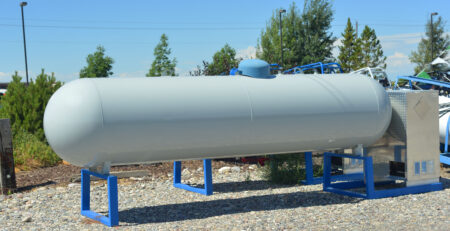
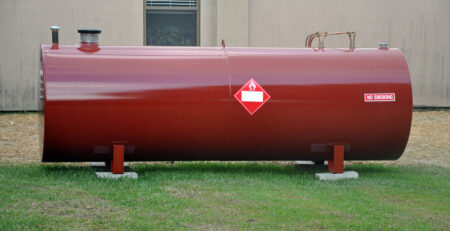
Many businesses choose to store propane on-site, ensuring immediate accessibility and control over their fuel reserves. On-site storage solutions include bulk tanks and smaller cylinders, providing flexibility in managing inventory based on operational needs. By maintaining an in-house supply, companies can mitigate the risks of supply chain disruptions, enhancing resilience and adaptability. Such self-sufficiency underscores emergency preparedness, protecting businesses from unexpected external challenges. With reliable access to propane, operations can proceed uninterrupted, even in logistically challenging times.
3.4 Dual Fuel Engines
Propane-powered forklifts often come with dual-fuel capabilities, allowing operation on both propane and gasoline. This versatility ensures continuous operation should one fuel source become temporarily unavailable. Dual-fuel systems grant flexibility and peace of mind, allowing easy adjustments to operational strategies. By having a fallback option, companies can alleviate concerns about potential fuel shortages or logistic hurdles. This adaptability enhances the resilience of operations and increases the appeal of propane forklifts, making them a wise strategic investment.
Propane-powered forklifts represent a strategic choice for businesses seeking efficiency, cost-effectiveness, and environmental stewardship in their operations. The myriad benefits, including lower fuel costs and emissions, enhanced performance, and flexibility, make them integral for sustainable growth. With the adoption of propane, companies can navigate operational challenges with confidence, optimize resources, and uphold commitment to sustainability. For further information on propane-powered forklifts, contact Reliance Propane & Fuel Oil.