

Insights on the Importance of Prompt Medical Gas Service to the Healthcare Industry
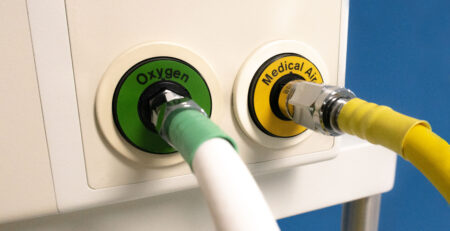
Medical gases are fundamental to modern healthcare, supporting essential treatments, procedures, and life-saving interventions across various clinical environments. These gases, which range from oxygen to nitrous oxide and other specialized mixtures, play an integral role in sustaining patient health, enhancing diagnostic accuracy, and maintaining safe surgical conditions. Without consistent access to high-quality gases, healthcare facilities would face significant limitations in caring for patients effectively. Reliable delivery, storage, and oversight of these gases help ensure that hospitals, clinics, and emergency responders can provide immediate, uninterrupted care. As medical systems grow more complex, the demand for structured and dependable medical gas service becomes increasingly critical to maintaining operational readiness and patient safety.
Types of Medical Gases Used in Healthcare
Healthcare facilities depend on a diverse range of medical gases, each serving a unique clinical purpose. Oxygen remains the most widely used gas, essential for respiratory therapies and life support interventions. Nitrous oxide is frequently applied in anesthesia to promote comfort and facilitate sedation in surgical settings. Carbon dioxide assists in minimally invasive procedures, especially during laparoscopic and endoscopic surgeries where controlled inflation is required. Helium, though less common, supports the treatment of severe respiratory conditions due to its low density, which aids in airflow. The purity, accessibility, and regulatory compliance of each gas directly influence patient outcomes, emphasizing the importance of consistent monitoring and structured handling. Facilities rely heavily on dependable gas service systems to maintain safe levels of quality and availability.
Medical Gases in Surgical Procedures
Surgical environments require stable and controlled access to various gases to create safe conditions for patients. Anesthesia gases, including nitrous oxide and oxygen, support sedation and ensure that patients maintain stable vital signs throughout procedures. Oxygen delivery systems help preserve respiratory function, particularly during intensive operations where real-time adjustments are needed. Clean and regulated gas supplies contribute to sterile surgical atmospheres, reducing risks associated with contamination or equipment malfunction. According to Market Research Future, the American Society of Anesthesiologists reports that over 45 million anesthesia procedures are performed annually in the United States, illustrating the heavy dependence on safe and reliable gas infrastructure. To meet these demands, healthcare organizations rely on effective medical gas service protocols that safeguard both patient safety and procedural accuracy.
Role of Medical Gases in Emergency Medicine
Emergency medicine relies on immediate access to medical gases, with oxygen being one of the most urgent needs. In cases involving respiratory distress, traumatic injury, cardiac events, or shock, oxygen can stabilize patients rapidly while further diagnostic measures are taken. Nitrous oxide also assists with pain management in ambulance transport and emergency rooms, helping reduce stress and facilitate rapid intervention. Because emergencies are unpredictable, facilities must maintain strict inventory oversight and rapid-response distribution systems. Dependable gas support processes ensure that emergency teams never face shortages that could compromise urgent patient care. Timely replenishment, clear storage procedures, and well-trained staff all contribute to optimal outcomes under high-pressure conditions.
Use of Medical Gases in Chronic Care
Chronic care settings depend heavily on long-term oxygen therapy for patients with conditions such as COPD, emphysema, and severe asthma. Continuous access to oxygen can significantly improve patients’ quality of life, helping prevent complications and reducing emergency room visits. Many patients receive care at home or in outpatient facilities, requiring portable oxygen systems, refill services, and proper instruction in safe gas handling. A reliable medical gas service structure ensures that chronic care patients receive uninterrupted support, whether they rely on stationary concentrators, cylinders, or ambulatory equipment. Beyond oxygen, other gases occasionally used in chronic care may assist with respiratory testing or therapeutic interventions. Maintaining high standards in gas delivery directly influences patient comfort and the effectiveness of long-term treatment plans.
Diagnostic Applications of Medical Gases
Medical gases play an essential role in numerous diagnostic procedures. Cryogenic gases such as helium are critical for MRI operations, enabling effective cooling of imaging components and ensuring accurate results. Carbon dioxide contributes to endoscopic examinations by creating internal space for visibility during minimally invasive diagnosis. The availability, purity, and timely replenishment of these gases determine how efficiently diagnostic equipment can function, directly affecting the accuracy of medical assessments. Healthcare facilities that prioritize consistent medical gas service can better maintain their diagnostic capabilities and reduce downtime associated with gas-related equipment failures.
Benefits of Prompt and Reliable Gas Service
Prompt service significantly enhances patient safety by preventing shortages that could interrupt surgeries, emergency treatments, or respiratory therapies. Hospitals with reliable gas delivery experience fewer supply disruptions, minimizing clinical risk and improving care efficiency. Operational workflow also benefits because staff can focus on clinical responsibilities rather than managing logistical delays. Reliable supply systems reduce equipment strain, lower costs associated with emergency procurement, and support long-term regulatory compliance. These advantages highlight how a dependable medical gas service infrastructure strengthens both patient outcomes and facility performance.
Challenges Affecting Gas Service Delivery
Despite advances in gas technology and storage methods, challenges persist in delivering consistent gas support. Infrastructure limitations-such as outdated piping, inadequate storage areas, or insufficient delivery systems-can increase risks of contamination or accidental leaks. Regulatory compliance also presents a hurdle, as facilities must maintain rigorous documentation and meet strict standards governing gas purity, handling, and distribution. Supply chain vulnerabilities can cause delays when raw materials become scarce or transportation routes are disrupted. Technological barriers, especially in facilities relying on older systems, limit the ability to use automated monitoring or predictive maintenance tools. Workforce training remains another crucial factor, as staff must stay informed about evolving best practices and safety requirements. Effective solutions to these challenges often depend on strong internal protocols supported by reliable gas operations partners.
Technological Innovations Shaping Gas Services
Recent advancements in technology are dramatically improving how healthcare facilities manage medical gases. Automation tools provide real-time monitoring of gas levels, pressure fluctuations, and potential leaks, reducing the need for constant manual oversight. Advanced delivery systems distribute gases more accurately and efficiently, decreasing risks associated with human error. Improved storage solutions use new materials and engineering designs to reduce contamination risks and preserve gas integrity. Integration with hospital information systems enables seamless coordination between supply teams and clinical staff, optimizing inventory and reducing delays. Predictive maintenance technologies analyze equipment performance to forecast failures before they occur, ensuring uninterrupted gas availability. These innovations collectively strengthen the overall reliability of medical gas service operations in healthcare environments.
The Consequences of Delayed Gas Service
Delays in gas supply can create significant clinical and operational challenges. For patients who require oxygen or anesthesia, even short-term disruptions may compromise safety, recovery, or survival. Healthcare facilities experiencing shortages often face operational bottlenecks that slow down procedures, elevate staff stress, and increase patient wait times. Legal and financial repercussions may follow when delays contribute to adverse outcomes or regulatory violations. Equipment deterioration can occur when maintenance schedules are interrupted, leading to costly repairs or replacements. Delays also burden healthcare workers, forcing them to adapt workflows rapidly or take on additional responsibilities that distract from patient care. These risks underscore the necessity of efficient and proactive gas management planning within healthcare organizations.
Timely and dependable gas services are indispensable for maintaining safety, efficiency, and quality in modern healthcare facilities. Each component-from supply chains to technological infrastructure-contributes to a system that enables life-saving treatments and accurate diagnostics. Contact our team at Reliance Propane & Fuel Oil today to get connected with a reliable medical gas service.